The Bangalore Fatigue Reality
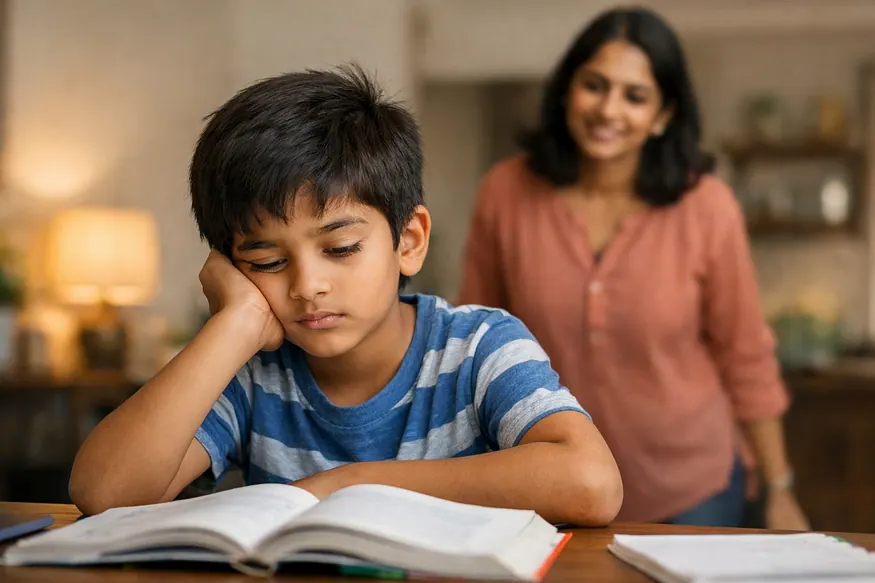
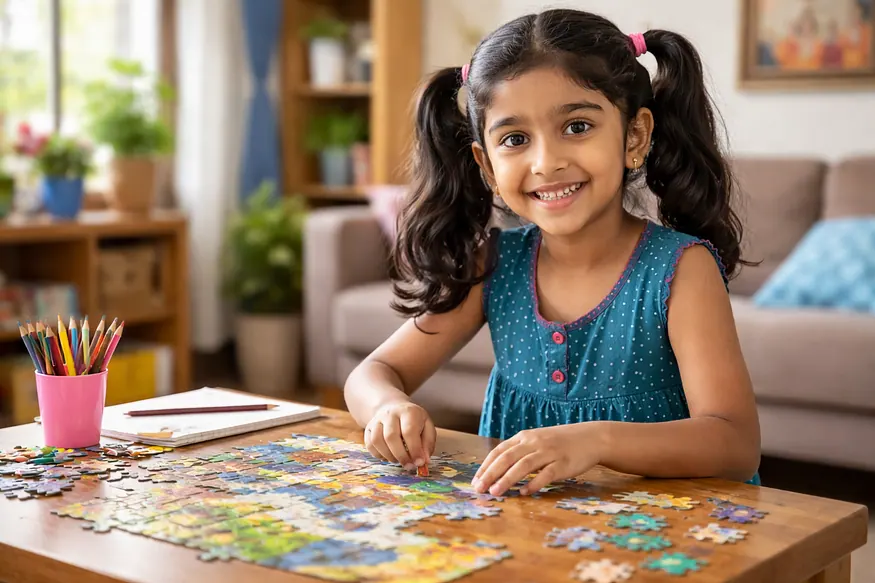
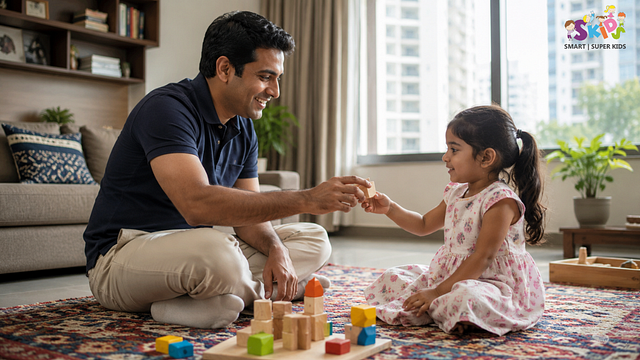
Meet Ananya. She is six years old and lives in a bustling apartment complex in Whitefield, Bangalore. After a long day of school and the slow, exhausting bus ride home through evening traffic, she collapses on the sofa. She refuses to go down to play with her friends, pushes away her dinner, and asks for a large glass of milk instead. Her mother watches her, wondering if this constant exhaustion is just the result of a busy urban schedule, a passing growth phase, or something that needs medical attention.
This scene is playing out across the city right now. Bangalore’s fast-paced lifestyle demands a lot from our kids, but constant lethargy is not a normal baseline. It is frequently one of the leading causes of child fatigue: iron deficiency. Understanding what exactly happens inside your child’s body is the first step to restoring their natural energy and helping them thrive.
The Science Behind Iron Deficiency
Think of your child’s body like a complex transportation network. Iron is the essential raw material used to build haemoglobin, the vehicles inside red blood cells that carry oxygen from the lungs to every single organ, muscle, and brain cell. During normal, healthy growth, there are plenty of these oxygen-carrying vehicles. The system runs smoothly.
When a child’s diet lacks sufficient iron, or their body cannot absorb it, their internal reserves (ferritin) empty out. The factory cannot produce enough hemoglobin vehicles, leading to anaemia in kids. Because the brain and muscles are suddenly receiving suboptimal oxygen levels, the entire system slows down. The deep, unexplainable fatigue you see in your child is actually their body rationing a limited oxygen supply. It is not laziness; it is a physiological cry for fuel.
Why the Bangalore Lifestyle Adds Complexity
The specific routines in an urban environment like Bangalore make maintaining healthy iron levels a bit more challenging. Long commutes in heavy traffic often mean children eat breakfast in a rush or rely on processed, packaged snacks.
Furthermore, working parents seeking convenient and “healthy” options often over-rely on milk as a quick meal replacement. Unfortunately, excessive cow’s milk is notoriously low in bioavailable iron. Even worse, the high levels of calcium and casein protein in milk actively block the digestive system from absorbing what little iron is present in other foods. This urban reliance on dairy, combined with picky eating habits, creates a silent cycle of nutritional depletion that slowly drains a child’s energy.
The Iron Deficiency Stakeholder Blueprint
What parents should do
- Cap daily milk intake. Limit cow’s milk to a maximum of 500 ml per day so it does not fill their tiny stomachs and replace iron-rich solid foods.
- Pair iron with vitamin C. Always serve an iron-rich meal (like lentils or spinach) with a source of vitamin C (like a squeeze of lemon or an orange) to significantly boost absorption in the gut.
- Separate milk from meals. Ensure there is a gap of at least one hour between drinking milk and eating a main meal to prevent calcium from blocking iron uptake.
- Avoid over-the-counter tonics. The Indian Academy of Paediatrics advises against giving iron supplements without a blood test. Unsupervised supplementation can cause severe stomach upset and toxicity.
What educators should do
- Monitor classroom stamina. Flag it to parents if a child consistently falls asleep at their desk or lacks the energy to participate during physical education.
- Watch for physical signs. Take note of noticeable paleness in a child’s face, lips, or inner eyelids, and report this observation to the school nurse or parents.
- Discourage milk with lunch. Advise parents to pack water or fresh juice instead of milk or yogurt drinks in the lunchbox to maximize the iron absorbed from the midday meal.
When to see a paediatrician
- Your child is constantly lethargic, refuses to play, and tires much faster than their peers.
- You notice distinct paleness in their nail beds, gums, or the conjunctiva (the inside of their lower eyelids).
- Your child develops pica — an abnormal urge to eat dirt, clay, chalk, or excessive amounts of ice.
- Your child is catching frequent respiratory infections or colds, indicating a weakened immune system.
If you notice these low iron symptoms, it is time to consult a paediatrician in Bangalore for a proper evaluation and blood test.
Your Daily Iron Boosting Checklist
- Include one serving of Ragi (finger millet) in their breakfast, such as a porridge or dosa, for a powerful, culturally appropriate iron boost.
- Squeeze fresh lemon juice over their dal or sabzi right before serving to activate the absorption of plant-based non-heme iron.
- Limit milk to just two small cups a day — one in the morning and one well after dinner.
- Serve a piece of vitamin C-rich fruit, like an amla or a slice of guava, alongside their afternoon snack to support nutrient absorption.
- Check the inside of your child’s lower eyelid in natural daylight once a week to ensure it looks a healthy, deep pink.
- Cook acidic foods, like tomato-based curries, in a cast-iron skillet to naturally infuse the meal with extra dietary iron.
- Replace processed evening snacks with a handful of roasted chana (chickpeas) and jaggery, a traditional and highly potent iron combination.
- Ensure your child washes their hands with plain soap and water as soon as they walk through the front door to prevent parasitic worm infections, which can silently deplete iron stores.
Frequently Asked Questions
Is it safe to give my child an over-the-counter iron syrup just in case? No. You should never give iron supplements without a formal blood test and a paediatrician’s prescription. Unlike vitamin C, the body cannot easily flush out excess iron. Unsupervised supplementation can lead to iron toxicity, causing severe stomach pain, vomiting, and long-term organ damage.
Why does my child crave and eat ice all the time?
Craving and chewing on ice is a specific type of pica called pagophagia. While the exact neurological reason is not fully understood, it is a highly specific clinical indicator of iron deficiency in children. If you notice this behaviour, it is time to schedule a blood test immediately.
Are plant-based iron sources enough to cure a deficiency?
While foods like spinach, lentils, and amaranth are excellent for maintaining healthy iron levels, they contain non-heme iron, which the body absorbs less efficiently than the heme iron found in meat. If a child is already severely deficient, diet alone is usually not enough to replenish their empty stores quickly, and precisely dosed medical supplementation will be required.
Book a SKIDS developmental screening at https://www.skids.clinic/