
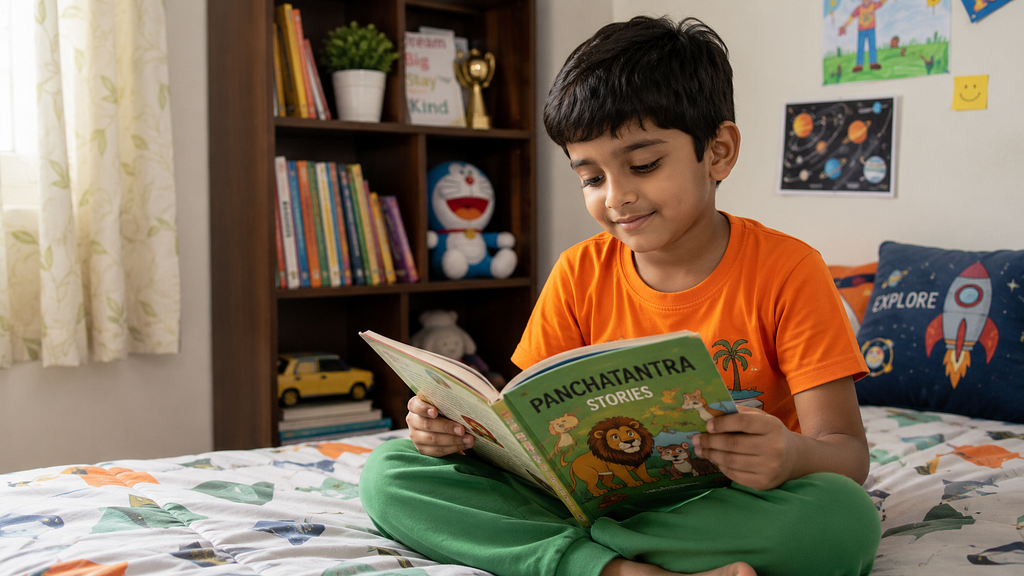
For years, little Meera happily slept in her own room without hesitation. Her bedtime routine was simple: a story, a goodnight hug, and peaceful sleep. But shortly after her sixth birthday, everything changed. She began asking for the hallway light to remain on, called her parents repeatedly during the night, and insisted someone stay beside her until she fell asleep. Her parents wondered what had suddenly changed.
Many families experience this unexpected shift. A child who once appeared fearless may develop a strong fear of darkness as their imagination, emotional awareness, and understanding of the world continue to mature.
What May Be Happening
Fear of the dark during early childhood is often linked to normal emotional and cognitive development. Around school age, children develop stronger imagination and a better ability to understand possibilities, including things that may feel frightening. Stories, movies, unfamiliar experiences, or stressful life changes can make nighttime fears more noticeable.
Occasional fear of darkness does not necessarily indicate a psychological disorder. It is often a temporary developmental phase that improves with reassurance, consistent routines, and gradual confidence-building.
Why It Matters
Persistent fear of the dark can affect a child’s sleep quality, daytime mood, concentration, and overall emotional well-being. Sleep is essential for memory, learning, growth, and healthy brain development.
Addressing these fears with patience rather than punishment helps children build emotional regulation and resilience. When children feel understood and supported, they gradually develop the confidence to manage their fears independently.
What To Observe This Week
- Parents can pay attention to a few important signs:
- Does your child avoid entering dark rooms even during the day?
- Does your child experience frequent nightmares or difficulty returning to sleep?
- Is the fear causing significant distress, tiredness, or changes in daily behaviour?
- Does your child require increasing reassurance every night?
- Observing patterns over several days can help determine whether the fear is part of a normal developmental stage or requires additional attention.
When To Seek Pediatric Review
- Consider speaking with a paediatrician if your child’s fear of darkness becomes severe, continues for many weeks, significantly interferes with sleep, or is associated with other concerns such as extreme anxiety, social withdrawal, or sudden behavioural changes.
- A paediatric assessment can help identify whether additional emotional, developmental, or medical support may be helpful.
How SKIDS Thinks About This
At SKIDS, we believe childhood fears should be approached with curiosity, empathy, and evidence-based guidance. A child’s fear is real to them, even when the source of fear is imaginary.
Creating predictable bedtime routines, encouraging gradual independence, and offering calm reassurance can help children develop confidence and healthier sleep habits.
FAQ
Q: Is fear of darkness normal in children?
A: Yes. Many children experience fear of darkness during childhood as their imagination and awareness develop.
Q: Should I force my child to sleep alone?
A: No. Forcing a child can increase anxiety. Gradual steps, reassurance, and consistent routines are usually more effective.
Q: Can watching scary content make nighttime fears worse?
A: Yes. Frightening stories, videos, or images may increase anxiety and make bedtime fears more intense.