
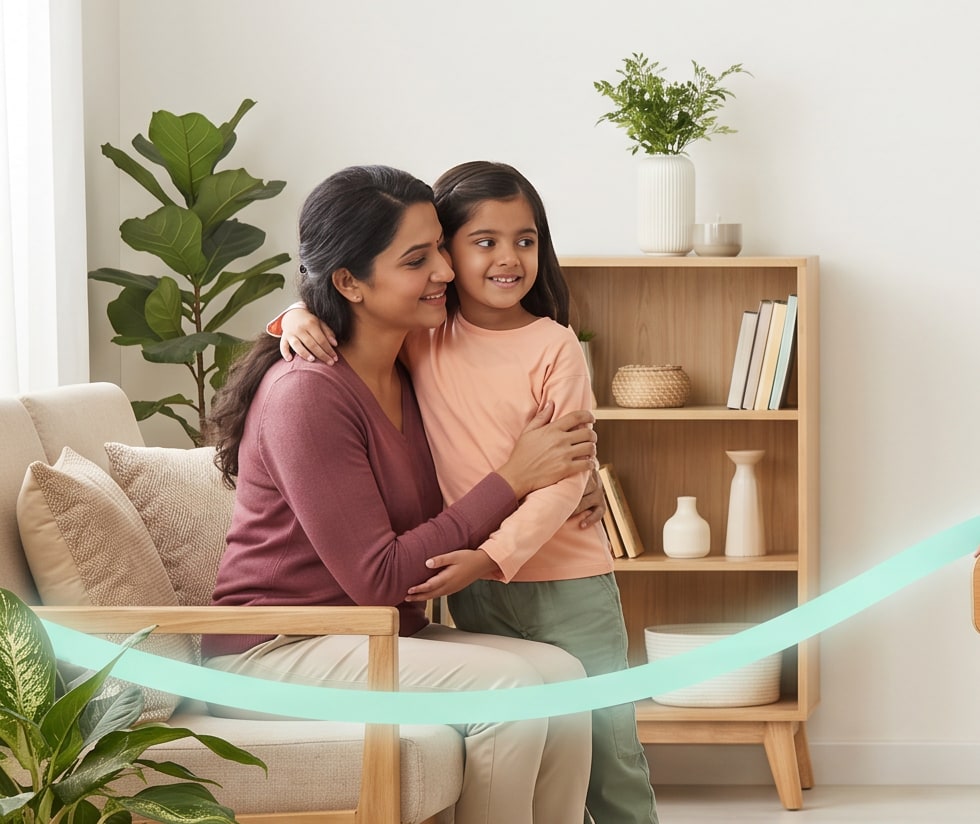
 At home
 The small things matter.
Parents know the routines, the new questions and what feels different. Their observations belong in the care conversation.
For families →A child is not a collection of appointments. They are a person growing, learning and becoming themselves. Their care should hold that whole story.
At home Parents know the routines, the new questions and what feels different. Their observations belong in the care conversation.
For families →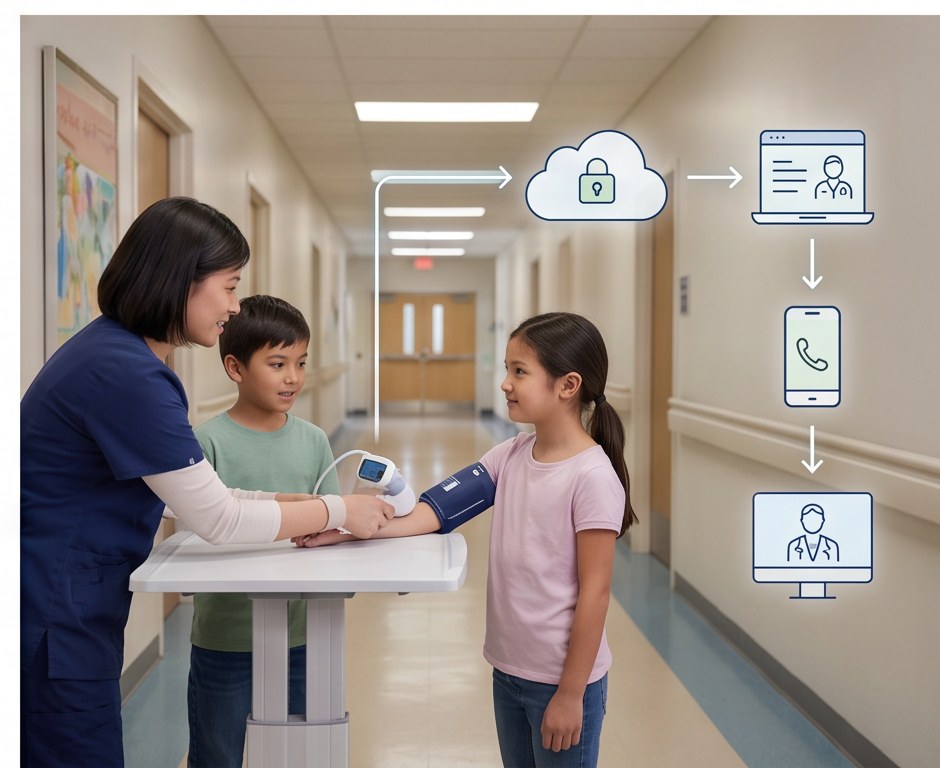 At school
 Teachers see learning, friendships, confidence and participation. Their perspective helps connect wellbeing with everyday life.
For schools →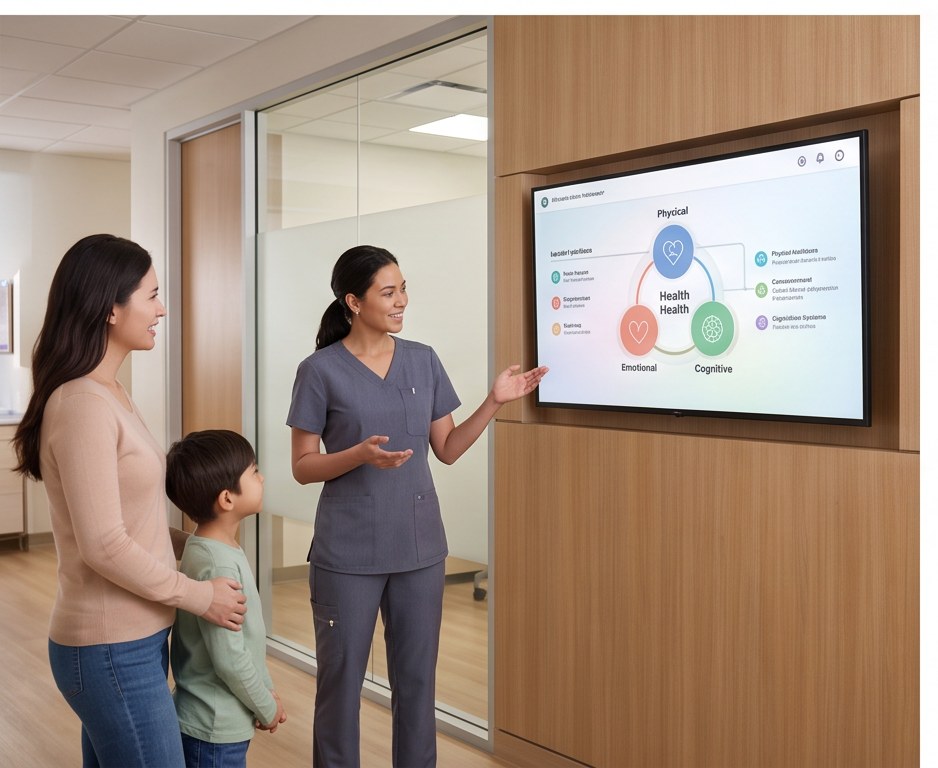 In clinical care
 Pediatricians interpret the history, examine, treat and coordinate specialist care. Clinical judgement holds the story together.
For clinical partners →Continuous care means keeping the relationship and the record connected. It means age-appropriate reviews, attention to everyday changes and a clear next step when a concern arises.
It does not mean testing every child for everything. A pediatrician decides what needs assessment, what needs treatment and what can be reassuringly followed over time.
Feeding, growth, immunisation and illness belong alongside development, sleep and emotional wellbeing. Prevention and treatment are part of the same responsibility.
A vision concern, a learning difficulty or a changing sleep pattern deserves attention in context. Specialty care should add understanding without losing sight of the child.
As needs change, the care plan changes too. Reviews, specialist input and the transition towards adult care should build on what is already known.
Why do sleep, attention and learning belong in the same conversation? How does a growing body adapt? Understanding the child can begin with wonder, before a disease name or a diagnosis.
Body Wonder and the Reading Room help families and co-nurturers ask better questions. They support a conversation with a clinician, not a diagnosis by checklist.
Barker's work on the fetal and infant origins of adult disease helped establish the idea that early-life conditions can influence later health. It is a reason to care early, not a prediction of an individual child's future.
Barker, BMJ, 1990 →WHO's life-course approach connects a good start in life, development and later wellbeing. Its child and adolescent agenda calls for coordinated action across society and government.
WHO: Investing in our future →These sources support the wider approach. They are not evidence of outcomes from a particular SKIDS programme.
Schools help children participate. Employers can support families. Public programmes can bring care within reach. Clinical partners bring expertise. Each has a distinct role in making childhood healthier.
Across India and our developing GCC partnerships, the purpose is the same: support the people who care for children, and keep care connected to their lives.