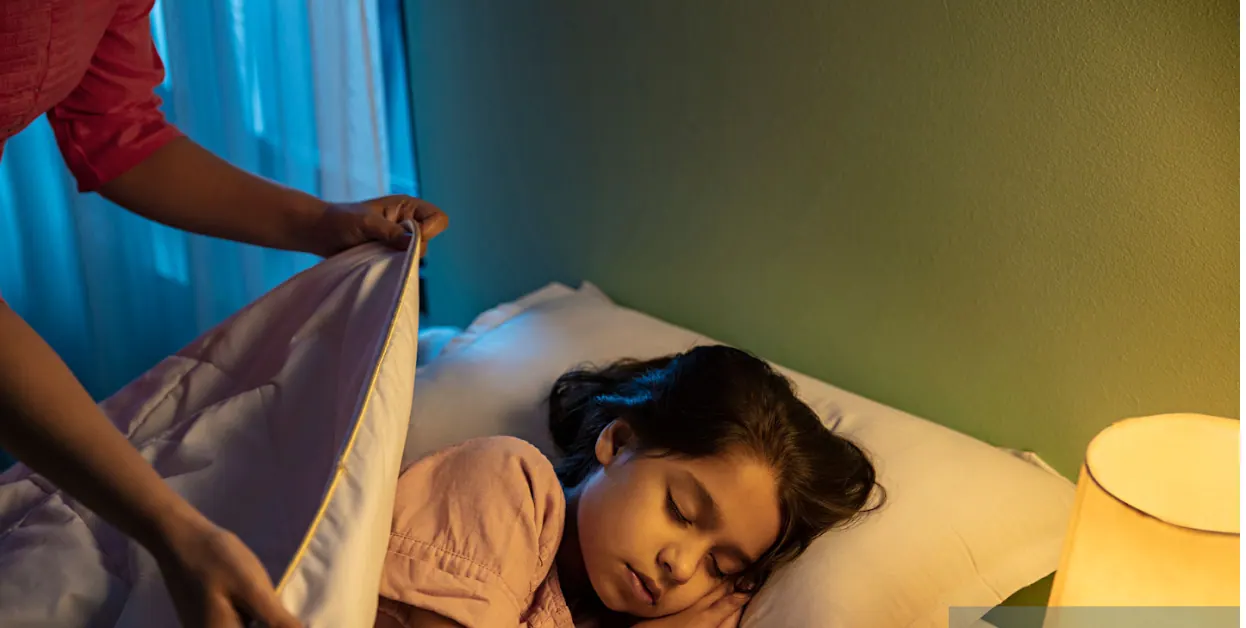
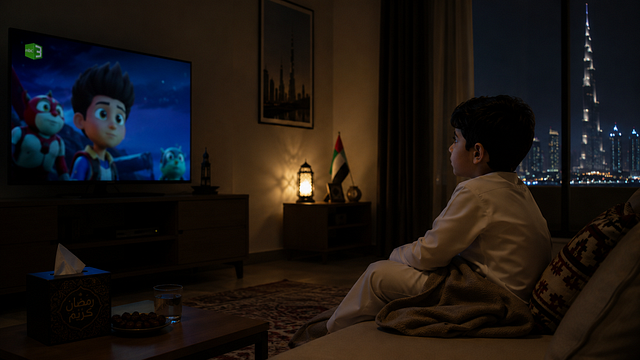
You might think their evening screen time is a harmless way to wind down after a long day, but what if it is secretly stealing their sleep?
In the fast-paced, high-achievement learning environments of the modern UAE, screens have become an inescapable part of childhood. From e-learning platforms and homework portals to virtual playdates and digital entertainment, our children are more plugged in than ever before. As we navigate 2026, an increasing number of parents are arriving at pediatric clinics with the same concern: “My child just can’t seem to fall asleep.”
If bedtime has become a nightly battle in your household, you are not alone. Let’s dive into the hidden impact of screen time on pediatric sleep, the unique challenges of raising kids in the GCC climate, and the practical steps you can take to reclaim your child’s rest.
The Hidden Epidemic: Understanding the Issue
We often view tablets and smartphones as helpful tools to calm a hyperactive child before bed. However, a landmark study by the American Academy of Paediatrics (AAP) found that children who have screens in their bedrooms are significantly more likely to experience chronic sleep disturbances, shorter sleep duration, and daytime fatigue.
In our clinical practice, this statistic is a daily reality. Take the story of Sara, a 7-year-old girl from Dubai. Her parents brought her in because she was struggling to focus at school, exhibiting emotional outbursts, and taking up to two hours to fall asleep every night. Her parents were exhausted and frustrated.
Upon reviewing her daily routine, the culprit became clear. Sara was spending her evenings playing “educational” games on her tablet to unwind. While the content was completely age-appropriate, the medium was wreaking havoc on her nervous system. Sara’s brain was being tricked into staying awake, leading to a cascade of sleep deprivation that impacted her entire day.
The Science: Why Screens Sabotage Sleep
To understand why Sara was struggling, we have to look at the biology of sleep. Screen time interferes with a child’s rest through two primary mechanisms: chemical suppression and neurological hyperarousal.
1. The Melatonin Blockade
The screens on our phones, tablets, and televisions emit artificial blue light. In nature, blue light is primarily found in morning sunlight, which signals to our brains that it is time to wake up and be alert. When a child stares at a screen at 7:00 PM, that blue light actively suppresses the pineal gland’s production of melatonin, the critical hormone responsible for regulating the sleep-wake cycle (circadian rhythm). Without an adequate surge of melatonin, the child’s body simply does not realise it is time to sleep.
2. Dopamine and Hyperarousal
Beyond the light, the content matters. Fast-paced games, quick-swiping video apps, and interactive shows trigger the release of dopamine, a neurotransmitter associated with reward and excitement. Instead of winding down, the child’s nervous system is revving up.
The Unique GCC Climate Factor
According to the World Health Organisation (WHO), children aged 5 to 13 require 9 to 11 hours of sleep each night to support optimal cognitive and physical development. However, achieving this in the UAE presents a unique environmental challenge.
With most of the school year spent indoors in heavily air-conditioned environments to beat the heat, children miss out on crucial proprioceptive input — the deep-pressure physical feedback the body gets from running, jumping, climbing, and engaging in heavy outdoor play. When a child’s nervous system doesn’t experience enough physical exertion and sensory feedback during the day, it struggles to self-regulate and transition into a state of deep rest at night.
The Sleep Reset: What Parents Can Do
As paediatricians, we know that simply telling kids to “stop using screens” isn’t a realistic solution in today’s digital world. Instead, we recommend a proactive, structured approach to managing technology and environmental factors.
Here is a step-by-step strategy to help your child get the sleep they desperately need:
1. Enforce a “Digital Sunset”
The most effective change you can make is implementing a strict screen curfew. Turn off all glowing screens (TVs, tablets, phones, and computers) at least 60 to 90 minutes before your child’s target bedtime. Replace digital wind-downs with analogue activities: reading physical books, listening to an audiobook, doing a puzzle, or simply talking about their day.
2. Banish Screens from the Bedroom
The bedroom should be a sanctuary strictly reserved for sleeping and dressing. Remove all devices from your child’s room overnight. Charge tablets and phones in the kitchen or living room. If they use a device for an alarm, invest in a standard, non-digital clock instead.
3. Manufacture “Heavy Work” Indoors
Since outdoor play isn’t always feasible during the hotter months in the UAE, you must creatively introduce proprioceptive activities indoors to tire out their nervous system.
- Create indoor obstacle courses using couch cushions.
- Encourage activities like swimming in temperature-controlled pools.
- Have them help with “heavy” chores, like carrying grocery bags or pushing a laundry basket.
- Consider a mini indoor trampoline to help them burn off excess energy safely.
4. Understand Their Neurological Blueprint
Every child processes sensory input differently. Some are easily overstimulated, while others need intense physical activity to feel grounded. Understanding your child’s unique neurological blueprint is one of the most important investments your family can make. Tailoring their evening routine to their specific sensory needs will drastically reduce bedtime friction.
Frequently Asked Questions
Q: How much screen time is actually too much for my child?
A: While the modern world requires flexibility, the American Academy of Paediatrics (AAP) officially recommends that children over 2 years old limit their recreational screen time to 1 hour per day of high-quality programming. For children under 18 months, screen time should be avoided entirely, except for video chatting with family.
Q: Can screen time really affect my child’s sleep that much?
A: Absolutely. It is not just a behavioural issue; it is a physiological one. The artificial light from screens actively halts the brain’s production of melatonin, while the fast-paced content spikes adrenaline and dopamine. This combination leaves children physically exhausted but neurologically “wired,” making natural sleep incredibly difficult.
Q: What can I do tonight to help my child get better sleep?
A: Start with three immediate changes:
- Set the limit: No screens one hour before lights out.
- Move the body: Spend 20 minutes doing a physical activity or active play to help them burn off residual energy.
- Be consistent: Establish a calming, predictable bedtime routine (e.g., bath, book, bed) and stick to the same sleep schedule every single day, even on weekends.