As the digital age deepens and academic demands increase, a familiar frustration often settles over households. For many parents, watching their child constantly slouch over a desk or smartphone is not just a minor annoyance; it is a source of genuine concern. “Child bad posture” is a highly common issue that frequently catches parents completely off guard. Just when you think your child is healthy and active, their complaints of neck aches and a resolute refusal to sit up straight become a daily battle. While simple laziness or a growth spurt are common culprits, the reality of poor pediatric posture runs much deeper, encompassing muscular imbalances, severe environmental strains, and complex underlying conditions. According to the Indian Academy of Pediatrics, an estimated 10–15% of children in India suffer from posture-related issues that warrant attention.
The Story of Rohan
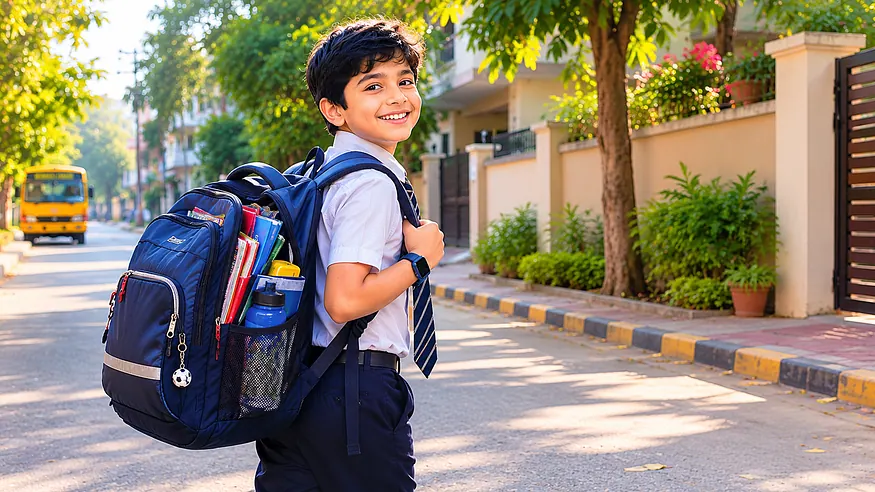
Consider the story of Rohan, a bright 10-year-old who spent his afternoons engrossed in coding games and hauling a heavily packed bag to school. The week before midterms, he began complaining of severe tension headaches. By the weekend, the physical complaints had escalated into a noticeable hunch, with his shoulders permanently rounded forward. He resisted sitting at the dining table, crying, “My back is too tired.” For Rohan’s parents, this sudden shift from an energetic child to one plagued by physical discomfort was alarming. Like many parents, they quickly realised that navigating this structural issue required more than just the strict discipline of yelling “sit up straight.”; it required profound empathy, an understanding of physical mechanics, and a strategic, supportive approach centred on full-stack prevention.
Understanding Pediatric Posture Issues
To address this challenge effectively, we must first understand what poor posture actually is. It is crucial to differentiate between the standard “end-of-day fatigue” and a genuine postural deficit. While most children might groan and slouch after a long sports practice, a child experiencing true posture issues exhibits chronic misalignment and physical symptoms of strain. Children are growing rapidly, and their bones often outpace their muscle development. The sudden increase in academic sitting time, heavy backpacks, and tech-device usage can feel entirely overwhelming to their developing musculoskeletal system. It is not merely a behavioural issue of defiance; it is often a physiological response to a rapid loss of core strength, muscle balance, and structural support.
The Science Behind the Postural Slump
Research in pediatric orthopaedics and biomechanics sheds significant light on why chronic slouching is so detrimental. During rapid growth phases, a child’s structural foundation is highly malleable. When poor posture becomes a habit, the abrupt change in alignment can lead to joint compression, which severely impairs a child’s physical development.
Furthermore, children with underlying low muscle tone face a monumental challenge. The modern lifestyle creates a perfect storm: the “tech neck” from looking down at screens places tremendous excess pressure on the cervical spine. After hours of sitting in unsupportive classroom chairs, this sudden structural onslaught can trigger compensatory mechanisms, leading to back pain and tension headaches. Additionally, respiratory function plays a massive role. A collapsed chest cavity prevents the diaphragm from fully expanding, reducing oxygen flow. This can lead to persistent fatigue and a lack of focus, making it difficult for them to keep up with the academic pace.
Stakeholder Blueprint
Addressing pediatric posture requires a collaborative blueprint involving parents, educators, and healthcare professionals. Each stakeholder plays a pivotal role in creating a bridge between healthy physical development and the demands of the modern environment.
For Parents: The ‘Dynamic Foundation’ Approach
Parents are the first line of defence. The most effective strategy is to avoid nagging and focus on environmental design. A highly effective step is auditing their physical spaces: ensuring study desks are ergonomic and backpacks weigh no more than 10–15% of their body weight. More importantly, validate your child’s physical fatigue. Instead of dismissing their slouching with a casual “Sit up straight,” try saying, “I know sitting at that desk for hours makes your back tired. Let’s take a stretch break.” Encouraging joyful movement like swimming or pediatric yoga can drastically improve core strength and reduce physical strain.
For Educators: The ‘Ergonomic’ Classroom
Educators must recognise that a child’s physical comfort directly impacts their cognitive focus. Creating an “ergonomic” classroom involves facilitating regular movement breaks, monitoring how students sit during long lectures, and temporarily lowering the physical demands of carrying heavy textbooks. Teachers can implement brief “posture resets” between periods to gauge physical well-being and provide alternative seating options for students who feel strained by standard wooden chairs. Acknowledging the physical toll of the school day openly normalises the need to move and stretch.
For Paediatricians: Screening the ‘At-Risk’ Child
Paediatricians serve as a vital resource when posture issues become entrenched. They can help screen out medical causes for physical complaints like back pain or headaches, which are often somatic symptoms of structural misalignment. By identifying underlying issues such as scoliosis, leg-length discrepancies, or mild neuromuscular conditions that poor habits temporarily masked, paediatricians can recommend targeted physical therapies and early interventions to support the child.
Parent’s Checklist for Posture Issues
How can you tell if your child is struggling with more than just the typical tech-era slouch? Keep an eye out for these key indicators:
- The ‘Tech-Neck Somatics’: Does your child frequently complain of mysterious physical ailments (tension headaches, neck stiffness, shoulder pain) after school or screen time that miraculously disappear after swimming or active play?
- The ‘Backpack Breakdown’: Are afternoons characterised by a noticeable change in gait, leaning severely forward, or a complete refusal to carry their own school bag due to physical exhaustion?
- The ‘Fatigue-Factor’: Is there a sudden regression in physical stamina, with your child exhibiting intense lethargy and choosing to lie down rather than sit supported during meals or homework?
When to Seek Pediatric Review
If the poor posture persists despite environmental changes, or if the physical distress is so severe that it causes noticeable spinal asymmetry, disrupts sleep, and causes the child to miss out on physical activities, it is crucial to seek a professional pediatric review. Early intervention is the key to preventing physical adaptation from becoming an entrenched, lifelong structural issue.
Frequently Asked Questions
Q: Is it normal for my child to slouch after a long day at school?
A: Yes, mild fatigue and a relaxed posture are incredibly common due to the physical and mental exhaustion of the school day. However, if the slouching is constant, leads to physical pain, and persists even when they are rested, it transitions from normal fatigue to an actionable posture issue.
Q: Should I force my child to wear a posture corrector brace?
A: A collaborative, foundational, yet empathetic approach is best. Complete reliance on a brace can actually weaken core muscles further, and forcing a resistant child can cause physical discomfort. It is highly recommended to work with a paediatric physiotherapist on a customised exercise routine to build their intrinsic muscle strength naturally.
Q: Can a change in sports or activities help?
A: Sometimes, but it should not be the only step. Pushing a child into intense sports without addressing the underlying core weakness or heavy school bags can simply transfer the strain to a new activity. It is better to build foundational core stability and audit their daily environment first.
The SKIDS Shield
Sometimes, what looks like behavioural laziness or simple slouching is actually an invisible, underlying struggle with how a child’s musculoskeletal system supports their body against gravity. Traditional check-ups focus on what a child’s spine looks like on an x-ray, but they often miss how the neuromuscular system manages daily physical load.
SKIDS Advanced Discovery looks at the “Sensorimotor Engine” as part of our full-stack prevention philosophy. By auditing physical alignment markers, like core endurance and spatial awareness, alongside lifestyle feedback, we help you, your school, and your paediatrician identify the “Postural Tax” before it drains your child’s physical health and love of learning.
Is an uncalibrated physical foundation holding back your child’s potential?
Discuss with us.