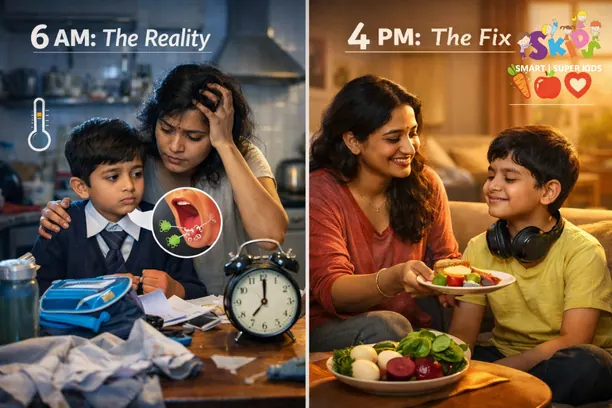

As the final days of summer or winter holidays slip away, a familiar sense of dread often begins to settle over households. For many children, the transition from the freedom of vacations to the structured demands of the classroom is not just a minor annoyance; it is a source of profound emotional distress. “Child school refusal after holidays” is a specialised and highly common subset of school refusal that frequently catches parents completely off guard. Just when you think your child is well-rested and rejuvenated, the morning of school reopening is met with tears, stomach aches, and a resolute refusal to put on their uniform. While separation anxiety is a common culprit, the reality of post-holiday school refusal runs much deeper, encompassing sensory shifts, severe routine disruptions, and complex social apprehensions.
The Story of Aarav
Consider the story of Aarav, a bright 8-year-old who spent his long summer break sleeping in, playing freely with his siblings, and visiting his grandparents. The night before school reopened, he complained of a severe stomach ache. By morning, the physical complaints had escalated into a full-blown emotional meltdown. He clung to his bedroom doorframe, crying, “I can’t go back. I want to stay home with you.” For Aarav’s parents, this sudden shift from a carefree child to a terrified one was alarming. Like many parents, they quickly realised that navigating this rocky transition required more than just strict discipline; it required profound empathy and a strategic, supportive approach.
Understanding Post-Holiday School Refusal
To address this challenge effectively, we must first understand what school refusal actually is. It is crucial to differentiate between the standard “Monday morning blues” and genuine school refusal. While most children might groan about waking up early, a child experiencing school refusal exhibits intense emotional distress and physical symptoms of anxiety. During holidays, children acclimate to a highly predictable, safe, and demand-free environment. The sudden reintroduction of academic pressures, peer dynamics, and sensory-rich classroom environments can feel entirely overwhelming. It is not merely a behavioural issue of defiance; it is often a nervous system response to a rapid loss of safety, comfort, and autonomy.
The Science Behind the Post-Holiday Slump
Research in child psychology and sensory processing sheds significant light on why the return to school is so jarring. During a long break, a child’s circadian rhythm naturally shifts. When school resumes, the abrupt change in sleep patterns can lead to sleep deprivation, which severely impairs a child’s emotional regulation.
Furthermore, children with underlying sensory processing sensitivities face a monumental challenge. A classroom is a chaotic environment with fluorescent lights, loud bells, the chatter of thirty other students, and the physical proximity of peers. After weeks of a controlled, quiet home environment, this sudden sensory onslaught can trigger a fight-or-flight response. Additionally, social anxiety plays a massive role. After a prolonged absence, children often worry about whether their friends will still like them, if friendship dynamics have shifted, or if they will be able to keep up with the academic pace.
Stakeholder Blueprint
Addressing post-holiday school refusal requires a collaborative blueprint involving parents, educators, and healthcare professionals. Each stakeholder plays a pivotal role in creating a bridge between the comfort of home and the demands of the school environment.
For Parents: The ‘Gradual Bridge’ Approach
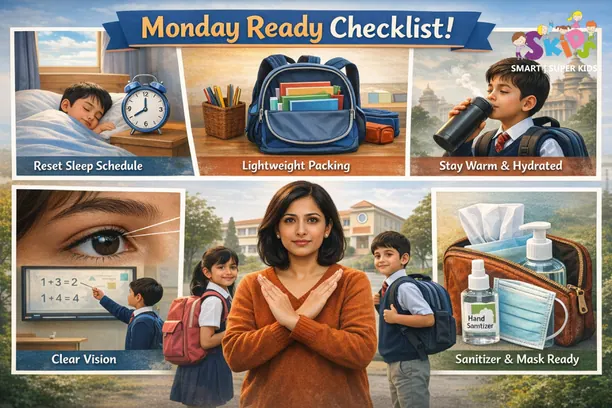
Parents are the first line of defence. The most effective strategy is to avoid abrupt transitions. A week before school starts, begin shifting bedtime and wake-up routines back to the school schedule by fifteen-minute increments. Reintroduce structured mealtimes and gradually reduce daytime screen use. More importantly, validate your child’s feelings. Instead of dismissing their fears with a casual “You’ll be fine,” try saying, “I know going back to school after such a fun break feels really hard. It’s okay to feel nervous.” Creating a predictable morning routine with visual schedules can also drastically reduce cognitive load and anxiety on the actual day of school.
For Educators: The ‘Soft Landing’ Classroom
Educators must recognise that the first week back should prioritise connection over curriculum. Creating a “soft landing” involves welcoming students warmly, facilitating low-stakes social re-engagement activities, and temporarily lowering academic demands. Teachers can implement morning check-ins to gauge emotional well-being and provide a designated “quiet corner” for students who feel overstimulated by the sudden return to classroom noise. Acknowledging the holiday transition openly normalises the feelings of reluctance many students experience.
For Paediatricians: Screening the ‘At-Risk’ Child
Paediatricians serve as a vital resource when school refusal becomes entrenched. They can help screen out medical causes for physical complaints like stomach aches or headaches, which are often somatic symptoms of anxiety. By identifying underlying issues such as undiagnosed learning disabilities, ADHD, or generalised anxiety disorders that the holidays temporarily masked, paediatricians can recommend targeted therapies and early interventions to support the child.
Parent’s Checklist for Post-Holiday Transition
How can you tell if your child is struggling with more than just the end-of-vacation blues? Keep an eye out for these key indicators:
- The ‘Sunday Night Somatics’: Does your child frequently complain of mysterious physical ailments (headaches, nausea, stomach aches) the night before school resumes that miraculously disappear if they are allowed to stay home?
- The ‘Morning Meltdown’: Are mornings characterised by explosive tantrums, crying spells, or a complete refusal to get dressed and leave the house?
- The ‘Cling-Factor’: Is there a sudden regression in independence, with your child exhibiting intense separation anxiety and refusing to let you leave their side at the school gates?
When to Seek Pediatric Review
If the refusal persists beyond the first week back, or if the emotional distress is so severe that it disrupts family functioning and causes the child to miss significant academic time, it is crucial to seek a professional pediatric review. Early intervention is the key to preventing the behaviour from becoming an entrenched, long-term habit.
Frequently Asked Questions
Q: Is it normal for my child to cry on the first day back after a long holiday?
A: Yes, mild distress and tears are incredibly common due to the sudden shift in routine and environment. However, if the crying is inconsolable, leads to physical illness, and persists for several consecutive days, it transitions from normal reluctance to actionable school refusal.
Q: Should I force my child to go to school if they are distressed?
A: A collaborative, firm, yet empathetic approach is best. Complete avoidance reinforces anxiety, but forcibly dragging a panicking child can cause trauma. It is highly recommended to work with the school counsellor on a phased return, modified schedule, or a special drop-off routine to ease them back in.
Q: Can a change in school environment help?
A: Sometimes, but it should not be the first step. Moving schools without addressing the underlying anxiety or sensory issues can simply transfer the problem to a new location. It is better to build coping mechanisms and work with the current school first.
The SKIDS Shield
Sometimes, what looks like behavioural avoidance is actually an invisible, underlying struggle with how a child interprets their environment. Traditional check-ups focus on what a child can see on a wall, but they often miss how the brain processes that data.
SKIDS Advanced Discovery looks at the “Generalisation Engine.” By auditing visual processing markers, like visual closure, alongside academic feedback, we help you, your school, and your paediatrician identify the “Cognitive Tax” before it drains your child’s love of learning.
Is an uncalibrated visual filter holding back your child’s fluency?
Explore SKIDS Advanced Discovery: The Path to a Smart Super Kid